Carnegie Mellon University, The Richard King Mellon Hall of Sciences
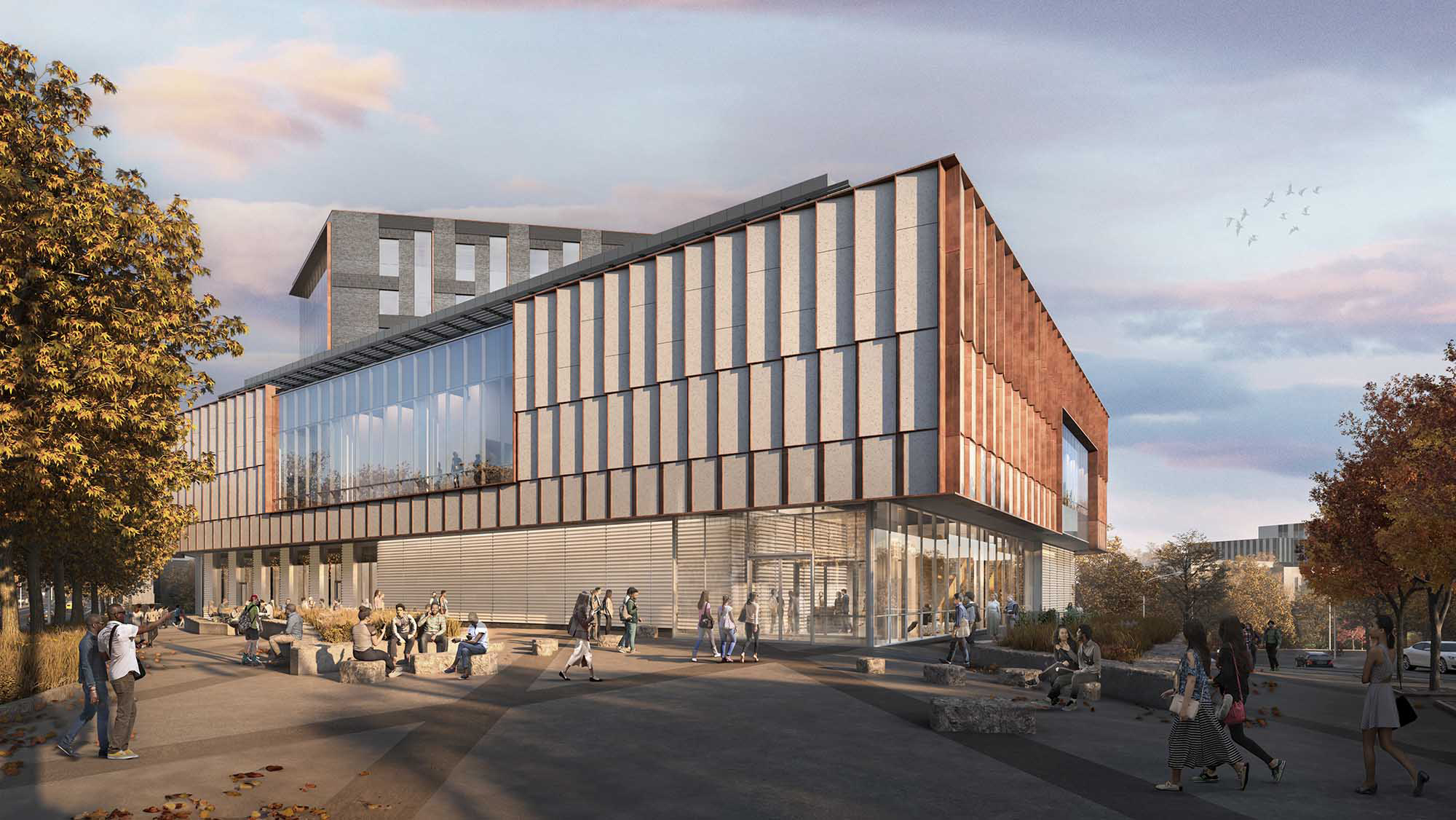
Hillis-Carnes is providing Construction Materials Testing and Inspections for the new construction of an approximately 338,000 SF, seven-story interdisciplinary research and academic facility at Carnegie Mellon University in Pittsburgh. The Richard King Mellon (RKM) Hall of Sciences will support programs within the Mellon College of Science and the School of Computer Science and will include wet and dry laboratories, teaching labs, classrooms, faculty offices, collaborative research space, and gallery space for the Institute for Contemporary Art Pittsburgh. The project features a research tower integrated with a lower public “loop” structure and includes an underground parking garage. The facility is designed with a structural steel frame with reinforced concrete foundations, high-performance façade systems, and sustainable design elements targeting LEED Gold certification.
Hillis-Carnes’ scope of services includes observation of earthwork activities, proof rolling of subgrade, and testing of structural fill and backfill using nuclear density methods. Our team is performing inspection of drilled caisson foundations to verify bearing conditions, rock-socket depths, tip elevations, reinforcement placement, and concrete placement, along with casting concrete cylinders for compressive strength testing. Concrete inspection and testing services include slump, temperature, air content, and compressive strength testing, reinforcement inspections, and FACE-certified floor flatness and levelness measurements for slabs.
Structural inspections include observation of bolted and welded steel connections, metal deck attachments, façade support steel, and cladding anchorage. Additional services include spray-applied fireproofing thickness and bond testing, intumescent fire-resistive coating inspection, masonry construction observation and mortar/grout testing, pavement subgrade and asphalt density testing, and inspection and testing of firestop and smoke control assemblies. Engineering staff review and evaluate field data, prepare testing reports, and coordinate with the project team to document construction compliance with project specifications.